Dog language tail: what every owner must know

A dog’s tail is a precise emotional communication tool, not simply a happiness indicator. Canine tail language, the recognised term used by animal behaviourists, encompasses position, movement speed, direction, and stiffness to convey a full range of emotional states from confidence to fear. Tail movement functions like human non-verbal cues such as smiles and nods, making it one of the most critical visual signals in canine communication. Understanding your dog’s tail signals accurately strengthens your bond, improves safety around other dogs, and helps you respond to your dog’s needs with genuine empathy and confidence.
How does dog language tail reveal emotional states through position?
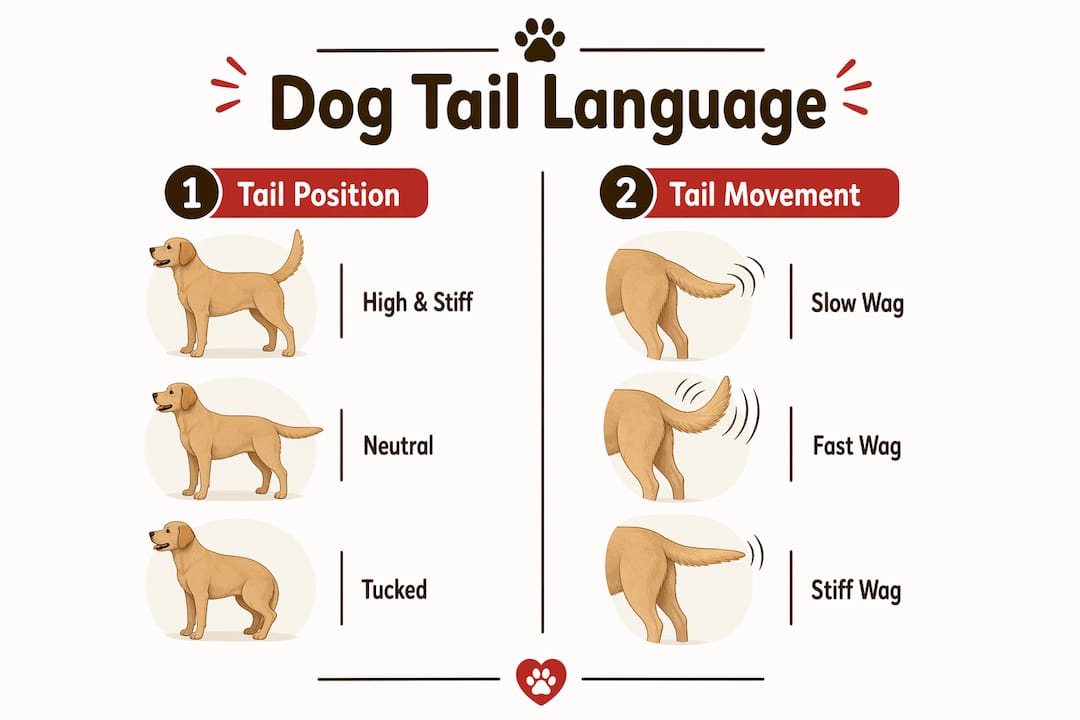
Tail height and stiffness are the two strongest indicators of a dog’s arousal level, and they matter more than wagging speed alone. A high, rigid tail signals dominance, alertness, or potential aggression. A tail held at a neutral mid-position typically reflects a calm, content dog at ease in its environment. A low or tucked tail communicates fear, submission, or significant stress, and a tail pressed against the belly signals extreme discomfort or pain rather than calmness.
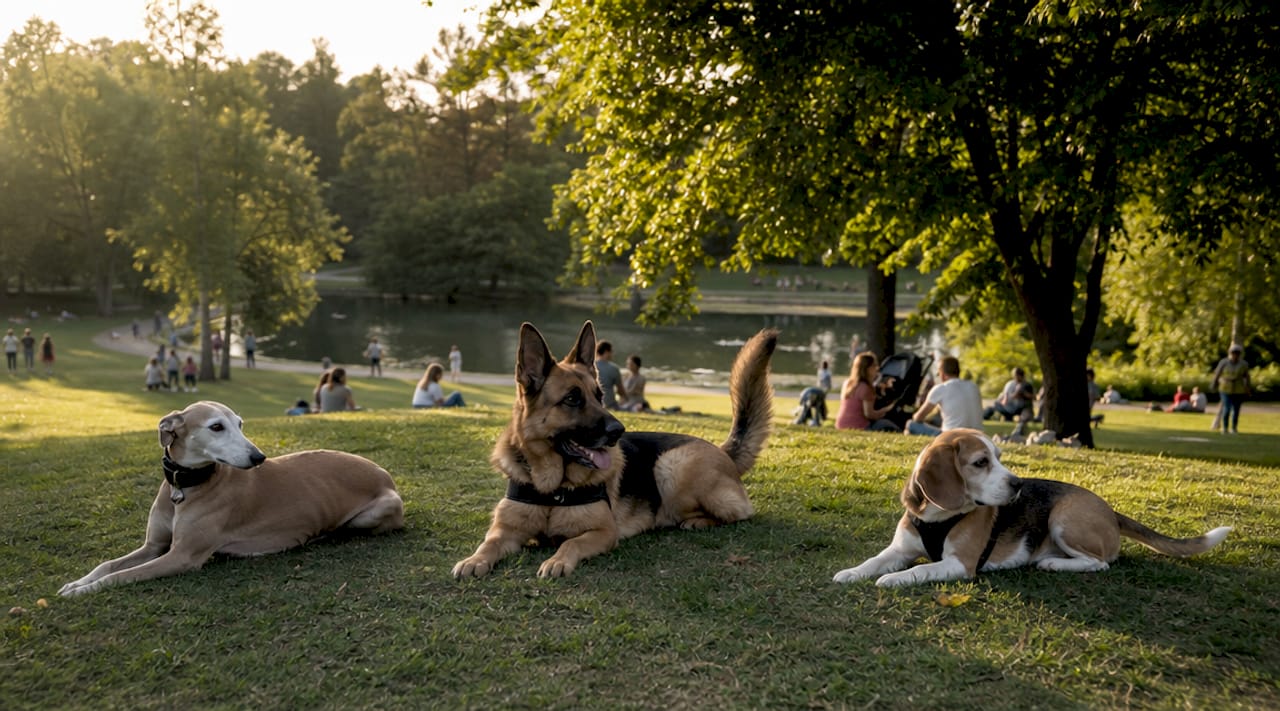
One critical nuance that many owners miss is breed variation. Neutral tail positions vary widely across breeds, meaning a single universal standard leads to misreading signals. A Pug’s tail curls naturally over its back, which could be mistaken for alertness in another breed. A Greyhound carries its tail low even when relaxed, which could be misread as fear. Knowing your specific dog’s baseline neutral posture is the starting point for accurate reading.
Tail position | Emotional meaning |
High and stiff | Alertness, dominance, or potential aggression |
Mid-level, relaxed | Calm, content, and comfortable |
Low, slightly tucked | Mild anxiety, uncertainty, or submission |
Fully tucked to belly | Significant fear, pain, or extreme stress |
Slow wag at mid-height | Friendly interest or cautious greeting |
Pro Tip: Spend a few minutes each day simply observing your dog in a relaxed setting at home. This builds your mental picture of their personal neutral tail position, which is the reference point for reading every other signal accurately.
What do tail wag speed and style tell you about your dog’s mood?
Wag speed acts as a volume knob for emotional arousal. The wider and slower the wag, the calmer and more genuinely friendly the emotion behind it. A fast, tight wag with a high or tucked tail correlates with heightened stress or agitation rather than joy. This distinction is one of the most commonly missed signals in everyday dog interactions.
Here is a practical breakdown of common wag styles and what they typically communicate:
Wide, slow wag at mid-height: Friendly, relaxed, and open to interaction. This is the wag most people correctly associate with a happy dog.
Fast, loose wag with a relaxed body: Genuine excitement and positive engagement, often seen when greeting a familiar person.
Fast, stiff wag held high: Overstimulation or potential volatility. A high-speed, tight wag at a raised position is a warning sign, not an invitation.
Rapid vibrating wag with a tucked tail: Fear combined with high arousal. This dog is under significant stress and may react unpredictably.
Slow, low wag: Appeasement or uncertainty. The dog is trying to signal non-threat but is not comfortable.
Context always shapes the meaning. A fast wag during a game of fetch reads very differently from the same wag when a stranger approaches. Reading wag style alongside the dog’s overall body posture gives you the full picture.
Pro Tip: If you notice your dog’s tail wagging rapidly while their body is stiff and their mouth is closed, pause the interaction immediately. That combination signals tension, not friendliness, and giving the dog space prevents escalation.
What does science reveal about tail wag direction?
The direction of a dog’s tail wag carries emotional meaning that is invisible to most owners but clearly understood by other dogs. A 2007 Current Biology study, confirmed in 2013, showed that dogs wag to the right when experiencing positive, confident emotions such as greeting their owner, and to the left when feeling anxious, cautious, or threatened. This asymmetry reflects the activity of the brain’s two hemispheres, with the left hemisphere governing approach behaviour and the right governing withdrawal.
Other dogs read this directional bias instinctively. Studies show that dogs viewing silhouettes of left-biased wagging display more stress signs than those viewing right-biased wagging. This means the direction of a wag is a genuine social signal within canine communication, not a coincidence of anatomy.
Wag direction | Associated emotion | What other dogs perceive |
Right-biased | Positive, relaxed, confident | Calm, approachable signal |
Left-biased | Anxious, cautious, or threatened | Stress or withdrawal cue |
“The tail is not just moving. It is broadcasting the dog’s emotional state to every dog in the vicinity, with a precision that most humans never notice.”
This level of nuance reinforces why reading canine body language is a skill worth developing deliberately. Understanding canine emotional cues through tail direction, position, and speed together gives you a far more accurate read than any single signal alone.
How to read tail signals alongside the rest of the body
A wagging tail is one word in a full body language sentence. Reading it in isolation leads to misinterpretation, and misinterpretation leads to unsafe situations. A stiff, rapidly vibrating tail indicates tension even when it is technically wagging. Combine that with a hard stare, a closed mouth, and a forward-leaning body, and the message is a clear warning rather than a greeting.
Follow these steps to read your dog’s tail signals accurately and safely:
Establish the baseline. Observe your dog in a calm, familiar environment and note where their tail naturally rests. This is their neutral position, and every other signal is measured against it.
Check tail height first. Height tells you the arousal level before you even consider movement. High means alert or tense; low means uncertain or fearful.
Assess wag speed and width. Wide and slow signals calm friendliness. Fast and tight signals high arousal, which may be positive excitement or stress depending on context.
Look at the ears. Ears pinned back alongside a tucked tail confirm fear or submission. Ears forward with a high stiff tail confirm alertness or potential aggression.
Read the eyes and mouth. Soft, blinking eyes and a relaxed open mouth indicate comfort. A hard stare and closed mouth alongside any tail signal indicate tension.
Notice displacement behaviours. Lip licking and yawning accompanying tail signals indicate the dog is uncomfortable. Forcing interaction at this point can be dangerous.
Consider the context. A fast wag during play is very different from a fast wag when a stranger reaches over the dog’s head. The environment shapes the meaning of every signal.
Owners who misinterpret tail wags by focusing only on the tail, ignoring ears, eyes, and posture, are the most likely to miss early warning signs. Teaching children this holistic approach is especially valuable, as most dog bites to children occur when a child reads a wag as an invitation and misses the surrounding signals. Learning to read dog body language as a complete system is one of the most practical skills any dog owner can develop.
Key takeaways
A dog’s tail communicates emotional state through position, speed, direction, and stiffness, and accurate reading requires combining tail signals with ears, eyes, posture, and context.
Point | Details |
Tail height signals arousal | A high, stiff tail indicates alertness or aggression; a tucked tail signals fear or stress. |
Wag speed is a volume knob | Wide, slow wags mean calm friendliness; fast, tight wags signal high arousal or tension. |
Direction carries meaning | Right-biased wagging signals positive emotions; left-biased wagging signals anxiety or withdrawal. |
Breed baseline matters | Establish your dog’s personal neutral tail position before interpreting any other signal. |
Read the full body | Tail signals combined with ears, eyes, mouth, and posture give the only accurate picture. |
What I have learnt from 20 years of reading tails
The single most common mistake I see from dog owners is assuming that any wag means friendliness. It is an understandable assumption. We have all grown up with the image of a wagging tail as the universal symbol of a happy dog. But in practice, some of the most tense and potentially dangerous moments I have witnessed in my training work have involved dogs whose tails were wagging the entire time.
What changed my own understanding most was learning to watch the whole dog rather than the tail alone. A dog with a fast, high wag, a closed mouth, and a rigid body is not inviting you closer. It is telling you to wait. Respecting that signal, rather than overriding it with enthusiasm, is what prevents bites and builds genuine trust over time.
I also want to say something directly to those of you with children at home. Teaching a child to look at the whole dog, not just the tail, is one of the most protective things you can do. Children naturally focus on the most obvious movement, which is the wag. A simple rule like “look at the dog’s whole body before you say hello” gives them a practical habit that genuinely reduces risk.
Finally, give yourself time. Reading canine body language is a skill, and it develops through patient, consistent observation of your own dog. The more you watch, the more fluent you become. And the more fluent you become, the stronger and safer your relationship with your dog will be.
— Mark
Ready to deepen your connection with your dog?
Understanding your dog’s tail signals is a powerful first step, but applying that knowledge in real life, especially with reactive, fearful, or challenging dogs, is where professional guidance makes the biggest difference.
At Happy-dog training, our certified, AVS-accredited trainer brings over 20 years of experience helping Singapore dog owners build genuine, confident relationships with their dogs through humane, science-based methods. Whether you are managing a fearful dog that tucks its tail at every new experience, or dealing with a dog whose signals you simply cannot read clearly, our personalised programmes are designed for your dog’s specific needs. Explore our full range of training services at Happy-dogtraining and take the next step towards a calmer, happier life together.
FAQ
What does a wagging tail always mean in dogs?
A wagging tail does not always mean friendliness. Tail wags vary in speed, height, and direction, and a fast, stiff wag held high can signal tension or potential aggression rather than a happy greeting.
What tail position signals fear in a dog?
A tail tucked fully against the belly is the primary indicator of significant fear, pain, or extreme stress in dogs. This signal should prompt you to remove pressure from the dog immediately rather than offer reassurance through forced contact.
Does tail wag direction actually matter?
Yes. Research published in Current Biology shows that a right-biased wag is associated with positive, relaxed emotions, while a left-biased wag signals anxiety or withdrawal. Other dogs respond to this difference with measurable changes in their own stress levels.
How do breed differences affect tail reading?
Breed-specific neutral positions vary widely, so applying one standard across all dogs leads to errors. A Greyhound’s naturally low tail does not signal fear, and a Pug’s curled tail does not signal dominance. Always establish your individual dog’s baseline first.
What should I do if I am unsure what my dog’s tail is saying?
Stop the interaction, give the dog space, and observe the full body including ears, eyes, mouth, and posture alongside the tail. If you regularly find your dog’s signals confusing or concerning, a certified animal behaviourist can help you build accurate reading skills through structured observation and guidance.
Recommended
Comments