Training methods by dog temperament: your 2026 guide
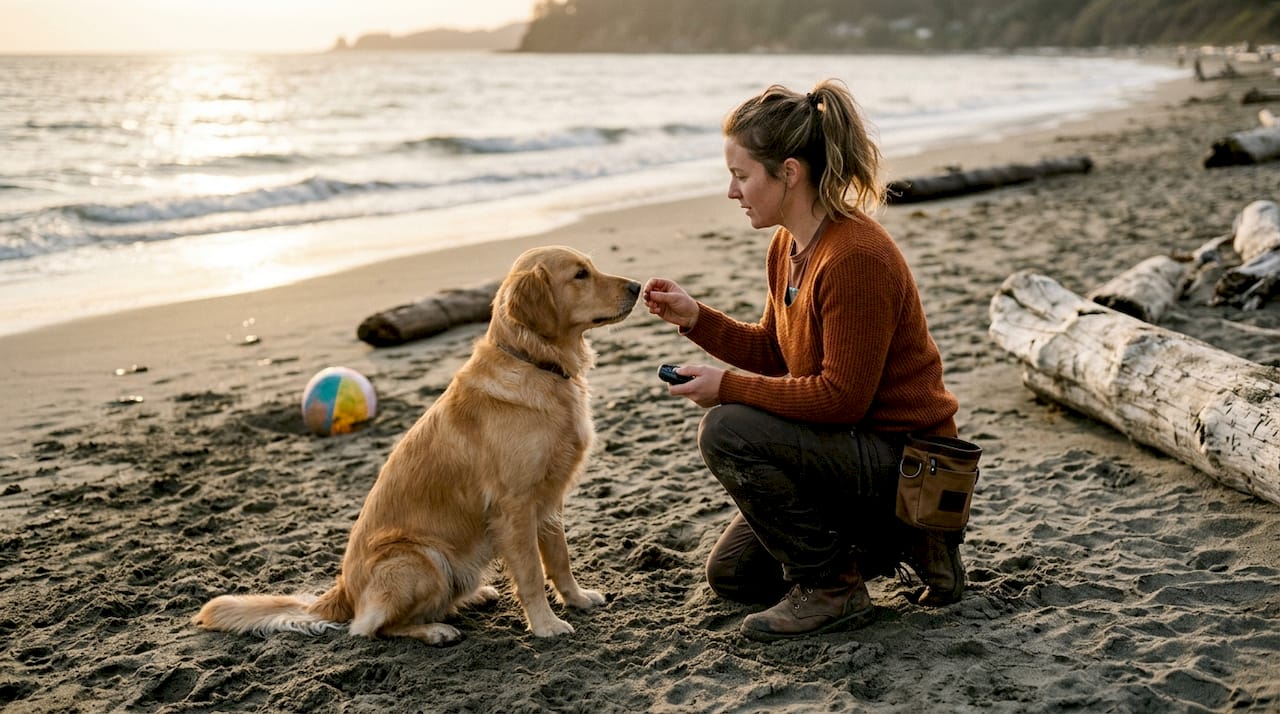
Dog temperament training is defined as the practice of selecting and adapting training techniques to match a dog’s innate personality, energy level, and emotional tendencies. Every dog learns differently, and the most effective training techniques are those built around who your dog actually is, not a one-size-fits-all script. Research confirms that training success depends on temperament, with fearful dogs needing low-pressure confidence-building and high-energy dogs requiring short, structured sessions. Matching your approach to your dog’s personality is not a luxury. It is the foundation of lasting, kind, and effective results.
1. How training methods by dog temperament differ at a glance
Dog temperament refers to the stable, partly inherited traits that shape how a dog responds to the world. These include energy level, sociability, sensitivity, and reactivity. The American College of Veterinary Behaviourists (ACVB) recognises that core temperament traits are partly genetic and cannot be completely overridden by training. Training improves behaviour, but it works best when it respects what is already there.
Broadly, dogs fall into a few recognisable temperament categories: high-energy and driven, calm and reserved, fearful or anxious, reactive or easily aroused, and socially sensitive. Each category calls for a different training style, session structure, and reward strategy. Understanding which category fits your dog is the first step towards real progress.
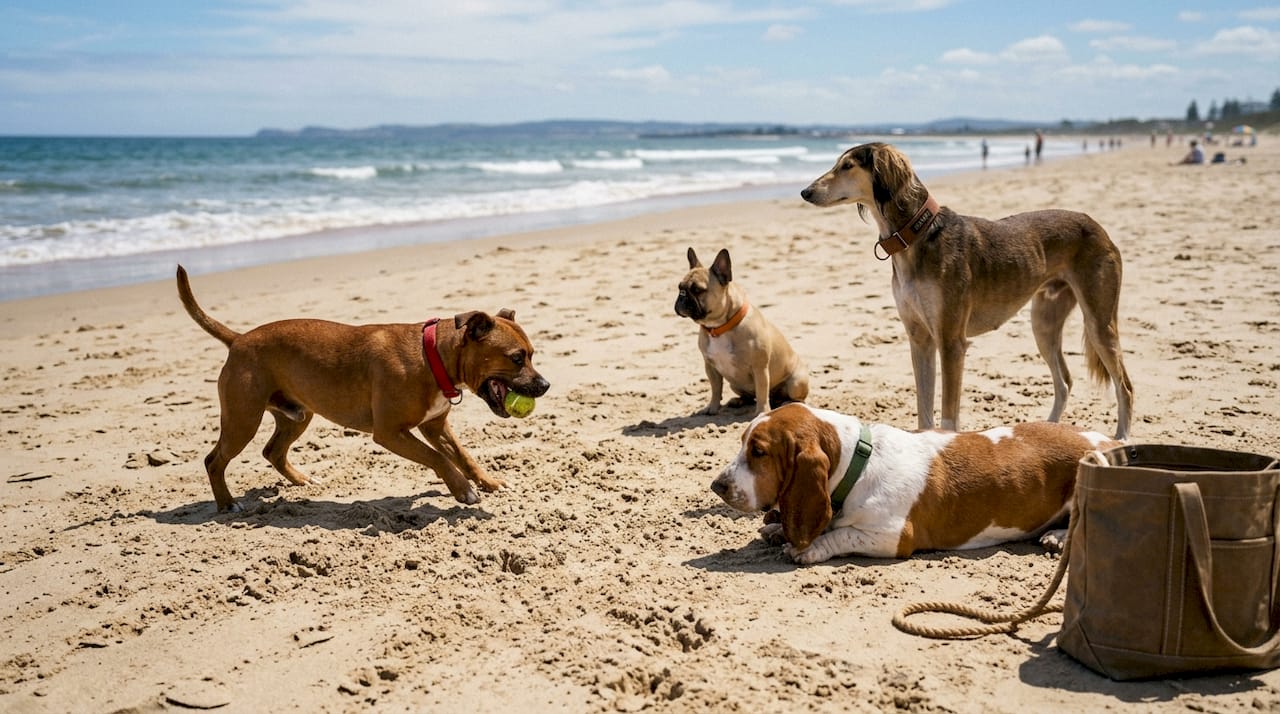
2. How do high-energy dogs need different training to calm dogs?
High-energy dogs thrive on engagement, variety, and purpose. Breeds with strong working instincts, such as Border Collies or Belgian Malinois, lose focus quickly in long, repetitive sessions. Short sessions of 5–10 minutes, repeated multiple times per day, produce better focus and learning outcomes than one long session. This approach prevents fatigue and keeps motivation high.
Calm or reserved dogs, by contrast, benefit from a slower, more patient pace. They do not need constant novelty. They need consistency, low pressure, and clear signals. Pushing a calm dog too hard or too fast can create anxiety where none existed before.
Key differences in session design:
High-energy dogs: short, fast-paced sessions with high-value food rewards or toy play; frequent breaks; tasks that channel drive
Calm dogs: steady, unhurried sessions; gentle praise alongside food rewards; repetition without pressure
Both types: clear, consistent cues; positive reinforcement only; sessions ending on a success
Pro Tip: For high-energy dogs, mental enrichment activities such as nose work or puzzle feeders can calm restlessness more effectively than extra physical exercise alone. A tired brain often settles a dog faster than a tired body.
3. What are the best training methods for fearful or reactive dogs?
Fearful and reactive dogs require a fundamentally different approach to training. The gold standard method is desensitisation and counterconditioning, commonly written as DS/CC. DS/CC works by gradually exposing a dog to its trigger at a distance or intensity low enough to stay under threshold, while pairing that exposure with high-value rewards. Over time, the dog’s emotional response shifts from fear or alarm to calm anticipation.
The key principle is staying under threshold at all times. A dog that is already reacting cannot learn. Your job is to keep the trigger far enough away, or mild enough, that your dog notices it but does not spiral. Progress is measured in weeks and months, not days.
The most effective steps for fearful or reactive dogs:
Identify the specific trigger and the distance at which your dog first notices it without reacting.
Begin all sessions at that distance or further away.
The moment your dog notices the trigger, deliver a high-value reward before any reaction begins.
Gradually decrease distance only when your dog shows consistent calm at the current level.
Never use aversive tools such as choke chains, prong collars, or shock devices. These increase fear and damage trust.
Aversive tools correlate with increased fear, aggression, and damaged trust between dog and owner. Force-free positive reinforcement produces durable behavioural change and is the preferred approach across the veterinary and behavioural science community.
For dogs with persistent reactivity, a structured programme such as Happy-dogtraining’s reactive dog class provides the professional guidance and controlled environment that home practice alone cannot replicate.
4. How can training be adapted for socially sensitive dogs?
Socially sensitive or shy dogs need confidence before they can learn reliably. A dog that feels unsafe cannot focus on cues or rewards. The goal with these dogs is to build a history of positive, low-stakes experiences that gradually expand their comfort zone.
Controlled, quality exposure matters far more than quantity. One calm, successful interaction with a new person or environment does more good than ten rushed or overwhelming ones. Owners play a central role here. Your consistency, calm energy, and predictability directly shape how safe your dog feels.
Practical adjustments for sensitive dogs:
Use very high-value rewards (real chicken, cheese, or similar) to create strong positive associations
Keep training environments quiet and familiar at first, then slowly introduce mild novelty
Reward calm behaviour the moment it appears, using a marker word or clicker to capture it precisely
Avoid flooding (forcing exposure) at all costs; it worsens fear and erodes trust
Keep sessions short and always end before the dog shows signs of stress
Pro Tip: Learn your dog’s early stress signals: lip licking, yawning, turning away, or a tucked tail. Catching and rewarding calm behaviour before stress builds is far more effective than managing a dog that has already shut down.
For dogs that need extra support, Happy-dogtraining’s fearful dog class uses gentle, science-based methods specifically designed to rebuild confidence at the dog’s own pace.
5. Which force-free methods work best across different temperaments?
Force-free training covers several distinct techniques, each with its own strengths depending on your dog’s personality and learning style.
Method | How it works | Best suited temperament | Key advantage |
Positive reinforcement | Reward follows desired behaviour immediately | All temperaments | Builds trust; highly durable results |
Clicker training | A click marks the exact moment of correct behaviour | Precise learners; high-energy dogs | Timing clarity; speeds up learning |
Shaping | Reward successive approximations toward a goal behaviour | Confident, curious dogs | Builds problem-solving and engagement |
Capturing | Reward naturally occurring behaviours | Calm, sensitive dogs | Low pressure; no luring required |
Reward timing is critical: the reward must follow the behaviour within 1–2 seconds to be effective. A clicker bridges the gap between behaviour and reward with precision that a verbal “good boy” often cannot match. This matters most with fast-moving or easily distracted dogs.
Aversive methods, including punishment-based tools, carry real risks. They correlate with increased fear, aggression, and a weakened bond between dog and owner. Force-free training takes more time and consistency, but the results are more reliable and the relationship stays intact. The types of humane training methods available today give owners plenty of effective options without resorting to force.
6. When should you adjust your training approach?
Knowing when to change course is as important as knowing which method to start with. Your dog’s response during sessions tells you everything you need to know.
Signs a method is working well:
Your dog engages readily and offers behaviours voluntarily
Focus improves across sessions
Stress signals (yawning, lip licking, avoidance) are absent or decreasing
Signs a method is not suited to your dog’s temperament:
Your dog shuts down, disengages, or becomes avoidant
Behaviour deteriorates between sessions
Stress signals appear early and consistently
When you notice these signs, adjust before frustration sets in. Try shortening sessions, increasing reward value, reducing environmental pressure, or switching from luring to shaping. A structured training plan helps you track progress and spot patterns that are easy to miss in the moment.
Consistency matters above all else. Dogs learn through repetition and predictability. Changing cues, rules, or reward schedules too often creates confusion, not progress. If you have adjusted your approach and still see little improvement after several weeks, seeking professional guidance is the right call, not a sign of failure.
Key takeaways
Matching training methods to your dog’s temperament is the single most reliable way to achieve lasting, positive behavioural change.
Point | Details |
Temperament shapes learning | Inherited traits like energy level and sensitivity directly influence which training methods will succeed. |
High-energy dogs need structure | Short, frequent sessions with mental enrichment produce better results than long or purely physical exercise. |
DS/CC is the gold standard for fear | Gradual exposure under threshold, paired with high-value rewards, rewrites fearful emotional responses. |
Timing determines reinforcement quality | Rewards must follow behaviour within 1–2 seconds; clicker training improves this precision significantly. |
Adjust when signs appear | Disengagement, shutdown, or worsening behaviour signals a mismatch between method and temperament. |
My honest view on temperament-based training
Working with dogs over many years, the biggest mistake I see owners make is treating temperament as a problem to fix rather than a guide to follow. A high-energy dog is not broken. A fearful dog is not stubborn. They are simply telling you what they need.
Temperament tendencies are partly inherited and will not disappear with training. What training does is give your dog better tools to cope with the world as they experience it. That is a meaningful, achievable goal. It is not the same as changing who they are.
The other thing I have learned is that your own energy matters more than most owners realise. Calm, consistent leadership genuinely influences a dog’s nervous system. Raising your voice or increasing excitement rarely helps. Slowing down almost always does.
Finally, be patient with yourself as much as with your dog. Temperament-based training is not a quick fix. It is a relationship built session by session, with kindness and consistency at its core.
— Mark
Tailored training support from Happy-dogtraining
Every dog is different, and a programme built around your dog’s specific temperament will always outperform a generic one. Happy-dogtraining brings over 20 years of experience in science-based, force-free training to owners across Singapore, with programmes designed around each dog’s individual needs.
Whether your dog struggles with fearfulness, reactivity, or simply needs structured obedience training to reach their potential, Happy-dogtraining has a programme to match. The AVS-accredited team offers personalised consultations, group classes, and free lifetime support after training. Visit Happy-dogtraining to find the right programme for your dog’s personality and take the first step towards wagging tails and joyful moments together.
FAQ
What does dog temperament mean in training?
Dog temperament refers to the stable, partly inherited personality traits that influence how a dog responds to people, environments, and learning. These traits, including energy level, sensitivity, and sociability, directly shape which training methods will be most effective.
How long should training sessions be for high-energy dogs?
Short sessions of 5–10 minutes, repeated multiple times per day, produce better focus and results than fewer, longer sessions. This prevents fatigue and keeps a high-energy dog engaged throughout.
Is positive reinforcement effective for all dog temperaments?
Positive reinforcement is effective across all temperaments and is the recommended approach by veterinary behaviourists worldwide. The specific rewards, timing, and session structure should be adjusted to suit each dog’s individual personality and learning pace.
What is the best method for a fearful or reactive dog?
Desensitisation and counterconditioning (DS/CC) is the gold standard for fearful and reactive dogs. It works by gradually exposing the dog to its trigger below the reaction threshold while pairing that exposure with high-value rewards to change the emotional response over time.
When should I seek professional help for my dog’s training?
Seek professional guidance if your dog’s behaviour does not improve after several weeks of consistent, adjusted training, or if fear, aggression, or reactivity is severe. A qualified behaviourist can assess your dog’s specific temperament and design a safe, effective programme.
Recommended
Comments