Signs your dog's separation anxiety is improving
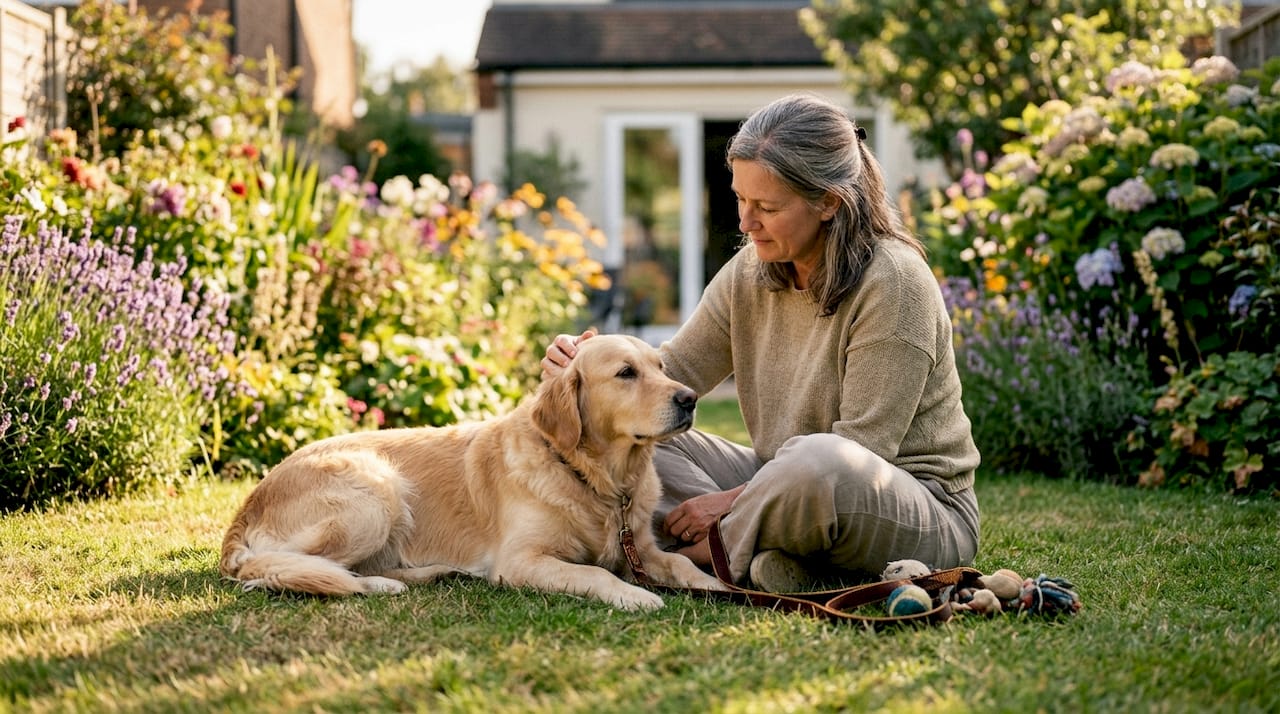
Separation anxiety in dogs is defined as a pattern of distress behaviours triggered specifically by owner departure or absence, including pacing, vocalising, and destructive behaviour. Recognising the signs dog separation anxiety improving is the first step to knowing your training and management are working. The earliest indicators appear as reduced pre-departure distress and shorter recovery periods after you leave, both measurable through video monitoring and routine tracking. Treatments such as systematic desensitisation and SSRIs like fluoxetine (Reconcile) are the recognised clinical approaches, and progress shows up in specific, observable ways long before your dog is fully comfortable alone.
1. what are the earliest signs dog separation anxiety is improving?
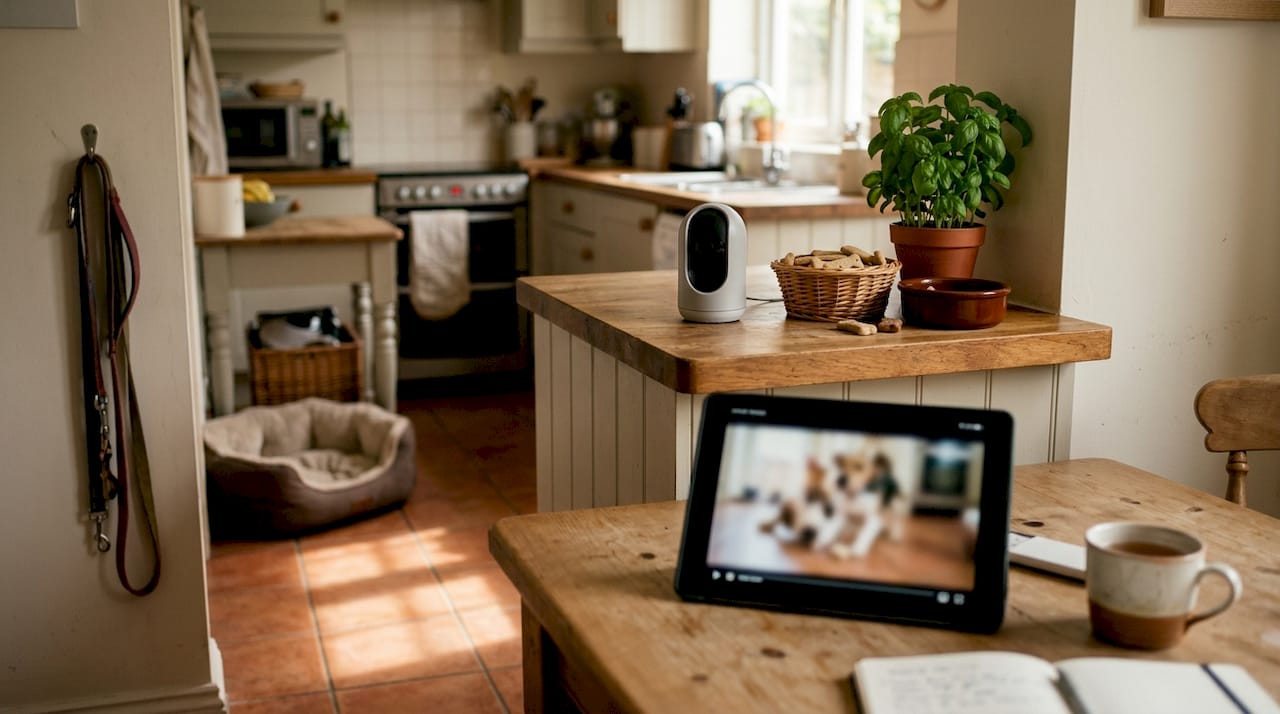
The first signs of improvement appear before you even walk out the door. Your dog begins to show less pacing and trembling when you pick up your keys or put on your shoes. These departure cues used to trigger immediate panic. When they no longer do, that is a meaningful shift.
The second early indicator is a shorter burst of distress immediately after you leave. Your dog may still vocalise or pace briefly, but the behaviour ends sooner than before. That shorter window is a direct signal that your desensitisation sessions are working and that your dog is staying below the anxiety threshold.
Reduced whining or barking when you reach for your keys or bag
Less trembling or cowering during your pre-departure routine
Shorter duration of frantic behaviour after the door closes
Quicker calming once you have left, rather than sustained panic
Pro Tip: Set up a camera or use a pet monitoring app before you leave. Watching the footage back gives you an objective view of exactly when distress starts and stops, which is far more reliable than guessing from the other side of the door.
2. how long does it take to notice improvement?
Realistic timelines matter because many owners give up too early. The speed of recovery depends heavily on the severity of your dog’s anxiety and the consistency of your training approach.
Weeks 1–2: Subtle changes only. Your dog may seem slightly less frantic during departure cues, but differences are small and easy to miss without video evidence.
Weeks 4–8: Meaningful progress in mild-to-moderate cases becomes visible. Dogs begin tolerating short absences without full panic responses.
Months 2–4: Many dogs with moderate anxiety can tolerate 1–2 hours alone. Destructive behaviour and house soiling reduce noticeably during this period.
Months 4–6: Severe cases begin showing real tolerance for longer absences. Full workday tolerance often takes 6 months to a year or more.
Ongoing: Plateaus and minor setbacks are normal. They do not mean failure. They mean your dog has reached a threshold that needs more gradual work.
If you are using fluoxetine (Reconcile), full clinical effects take 4–8 weeks to appear. Subtle changes may be visible at two weeks, but medication works as a support to training, not a replacement for it. Patience and consistency are the two factors that determine how quickly you see separation anxiety recovery signs.
3. behavioural changes that show your dog is progressing
Beyond the earliest signals, a broader set of dog behaviour changes tells you that recovery is genuinely underway. These are the indicators of less anxiety that accumulate over weeks of consistent work.
Calmer greetings on your return. A dog recovering from separation anxiety stops launching into frantic, hyper greetings when you come home. Calmer hellos show that your absence was not a crisis.
Less destruction near exit points. Chewing door frames, scratching at gates, and destroying items near the front door are classic separation anxiety symptoms. A reduction in this behaviour is a strong sign of progress.
Fewer house soiling incidents. Toileting indoors during your absence is a stress response, not a training failure. As anxiety reduces, so does this behaviour.
Willingness to rest or engage with enrichment. A dog that settles with a Kong or chew toy during your absence is managing its own emotions. That is a significant recovery milestone.
Reduced physical stress symptoms. Hypersalivation, excessive panting, and drooling during your absence are physical signs of panic. Their reduction is a measurable improvement in your dog’s wellbeing.
Pro Tip: Destruction or barking alone is not a reliable measure of improvement. Focus on departure-linked distress signals like pacing and whining during your pre-departure routine. These are the clearest indicators of where your dog’s anxiety actually sits.
Consistent daily routines also play a direct role here. Predictable schedules around meals, walks, and rest reduce baseline anxiety and help your dog build confidence around your departures. Understanding why dogs thrive with routines can help you structure your day in a way that actively supports recovery.
4. how to objectively monitor your dog’s progress at home
Subjective observation is the biggest trap owners fall into. You want your dog to be better, so you interpret ambiguous behaviour as improvement. Objective monitoring removes that bias entirely.
Monitoring Method | What to Track | Why It Matters |
Home camera or pet monitor | Time of first distress sign after departure | Shows whether anxiety threshold is shifting |
Weekly video comparison | Duration and intensity of vocalisation | Reveals trends invisible in daily observation |
Written log | Date, absence length, first distress signal | Creates a data record to share with your vet or trainer |
Consistent departure routine | Same cues, same timing each day | Reduces variability so comparisons are meaningful |
Video monitoring is the most reliable tool for tracking progress because it captures behaviour you cannot see in real time. Cameras like Furbo or a basic webcam pointed at your dog’s resting area give you clear footage to compare week by week. The key metric to watch is when the first sign of distress appears and how long it lasts. As training progresses, that window shrinks.
Understanding training thresholds is equally important here. If your dog is consistently going over threshold during absences, your sessions are too long. Shortening them and building back up is not a step backwards. It is the correct method.
5. when medication and professional support speed up recovery
Medication is not a last resort. For moderate to severe separation anxiety, SSRIs like fluoxetine lower your dog’s baseline anxiety enough to make behaviour modification possible. Without that reduction in baseline stress, training sessions may repeatedly push your dog over threshold before any learning can occur.
Fluoxetine (Reconcile) is not a sedative. Its role is to lower baseline anxiety so your dog can engage with training. A dog that is simply sedated is not learning to cope.
Expect a 4–8 week window before full effect. Behaviour modification must run alongside medication from the start, not after the medication “kicks in.”
Success is measured by training tolerance. If your dog can now tolerate longer absences without panic, the medication is doing its job.
Worsening or escalating anxiety requires professional reassessment. Escalating anxiety symptoms are a clear signal to consult a veterinary behaviourist rather than continuing home management alone.
Professional trainers tailor desensitisation protocols. A certified trainer adjusts absence durations based on your dog’s specific threshold, which is far more effective than following a generic programme.
If your dog’s anxiety is worsening despite consistent effort, that is not a reason to feel defeated. It is a reason to get expert eyes on the situation sooner rather than later. Spotting distress signs accurately is a skill that improves with guidance, and a professional can help you read your dog’s signals more precisely.
Key takeaways
Recognising signs of improvement in dog separation anxiety requires objective monitoring, consistent training below the anxiety threshold, and realistic timelines that account for severity.
Point | Details |
Earliest signs appear at departure | Reduced pacing, trembling, and whining during pre-departure cues are the first measurable improvements. |
Timelines vary by severity | Mild cases improve in 4–8 weeks; severe cases may need 6 months to a year for full workday tolerance. |
Video monitoring removes guesswork | Weekly footage comparison is the most reliable way to track when and how distress is reducing. |
Medication supports training | Fluoxetine lowers baseline anxiety to enable learning, with full effects appearing after 4–8 weeks. |
Consistent routines accelerate recovery | Predictable daily schedules reduce baseline stress and help dogs build confidence around owner departures. |
What i have learned tracking separation anxiety recovery
After working with anxious dogs for over two decades, the pattern I see most often is this: owners measure progress by the wrong things. They focus on whether the dog destroyed something or barked loudly. Those are outcomes. The real progress is in the pre-departure routine and in how quickly the dog settles after you leave.
The second thing I have learned is that progress is non-linear. A dog that tolerates 45 minutes on Monday may struggle with 20 minutes on Thursday after a stressful vet visit. That is not regression. That is a normal fluctuation in threshold. Owners who understand this stay consistent. Owners who do not often abandon the programme at exactly the wrong moment.
The third lesson is about objectivity. I have seen owners convince themselves their dog is fine because they want it to be true. The camera does not lie. Neutral observation and pattern tracking are more effective than any amount of wishful thinking or immediate comforting. If you are helping a dog with anxiety, commit to the footage. It will show you things you would never notice in the moment, and it will keep you honest about where your dog actually is in recovery.
— Mark
How Happy-dogtraining can help your dog feel safer alone
Happy-dogtraining has spent over 20 years working with dogs whose anxiety makes daily life stressful for the whole family. The team uses science-based, reward-based methods to build genuine confidence in anxious dogs, not just surface compliance. Every programme is tailored to your dog’s specific threshold and triggers, with structured desensitisation built in from the first session.
If your dog’s separation anxiety needs a solid foundation of obedience and calm behaviour, the 4-week intensive programme is a strong starting point. For dogs with deeper fear responses, the fearful dog class addresses anxiety at its root. Free lifetime support is included after every programme, so you are never left managing progress alone.
FAQ
What is the first sign a dog’s separation anxiety is improving?
The earliest sign is reduced distress during pre-departure cues, such as less pacing or whining when you pick up your keys. This appears before any change in behaviour during your actual absence.
Can a dog recover from separation anxiety without medication?
Mild to moderate cases often respond well to systematic desensitisation alone. Severe cases typically benefit from SSRIs like fluoxetine alongside behaviour modification, as medication lowers baseline anxiety enough to make training effective.
How do i know if my dog is getting worse, not better?
If the duration or intensity of distress increases over several weeks despite consistent training, that is a sign to seek professional or veterinary support rather than continuing home management alone.
Is it normal for progress to stall during recovery?
Yes. Plateaus and minor setbacks are a normal part of separation anxiety recovery. They usually indicate that absence durations have been increased too quickly and need to be reduced before building back up gradually.
How long should i record my dog to track improvement?
A 30-minute recording after each departure gives you enough footage to identify the first distress signal and track how long it lasts. Comparing recordings week by week reveals trends that daily observation misses.
Recommended
Comments